If you have ever wanted to change your WiFi password or fix your home internet, you have probably come across 192.168.0.1. It looks like a random number, right? But it is actually the address your router uses to talk to you.
When you type it in your browser, you are stepping into your router’s control room — a place where you can rename your WiFi, change the password, and manage who’s connected to your network.
What Exactly Is 192.168.0.1?
192.168.0.1 is what’s called a private IP address. It’s not a public website, so you can’t visit it on the internet — it only works in your home network.
Basically, it’s how your phone, computer, or tablet communicates directly with your WiFi router.
Once you open it, you’ll see your router’s settings panel where you can:
- Change your WiFi name or password
- Set parental controls
- Block unknown devices
- Improve network speed and security
So, in simple words — it’s your router’s “dashboard.”
🖧 Which Routers Use 192.168.o.1?
Most popular router brands use this IP by default — for example:
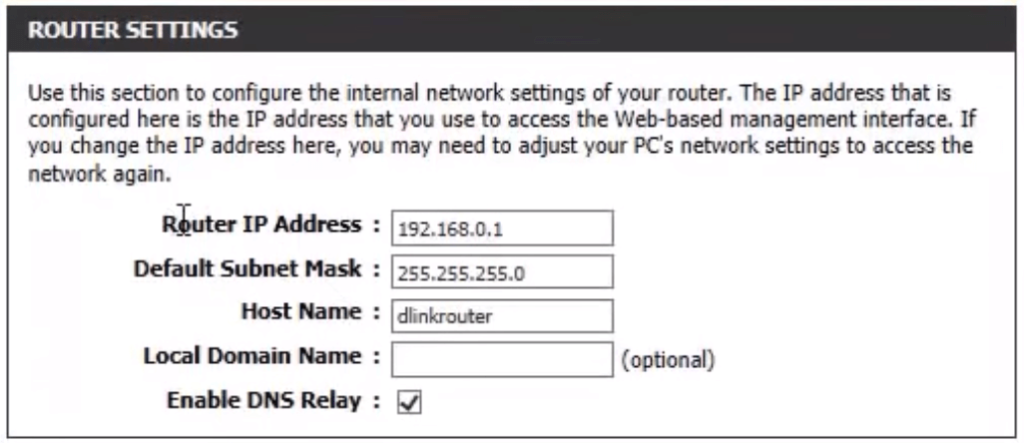
- D-Link
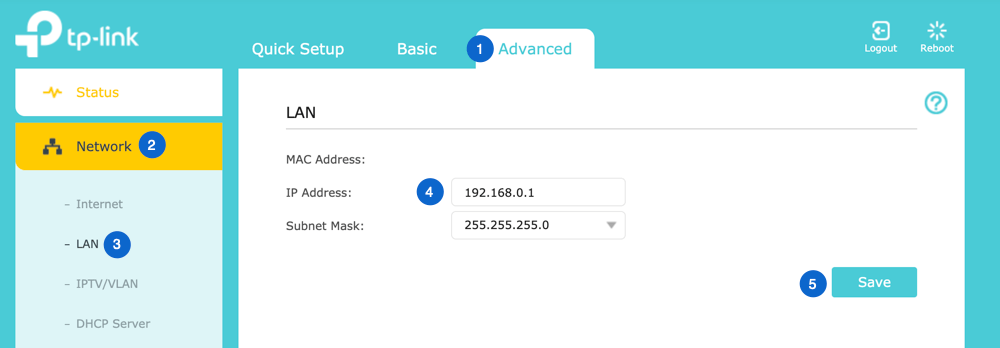
- TP-Link
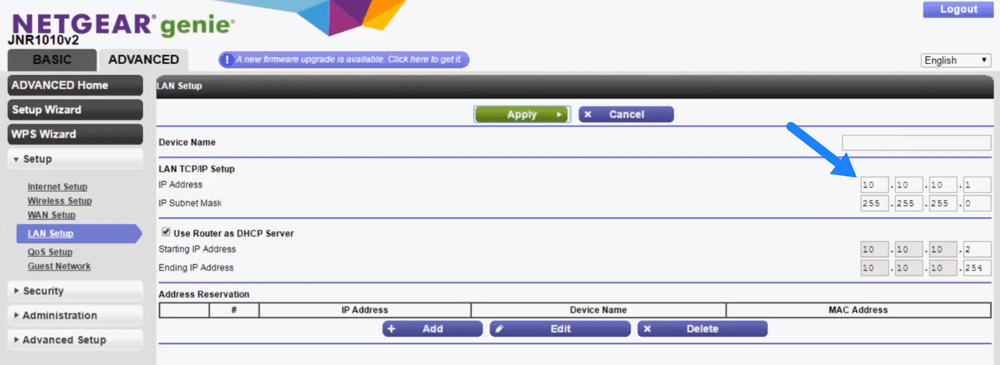
- Netgear
- Cisco
- Tenda
- Asus
If yours doesn’t open, don’t worry. Some models use 192.168.1.1 or even 192.168.0.254 instead.
You can always find your router’s exact login address printed on a small label under the device.
🔑 How to Log In to 192.168.o.1
Let’s get straight to it. Here’s how you can log in — it only takes a minute or two:
- Connect your device to your WiFi network (either by cable or wirelessly).
- Open a web browser — Chrome, Safari, Firefox, any will do.
- In the address bar, type http://192.168.0.1 and hit Enter.
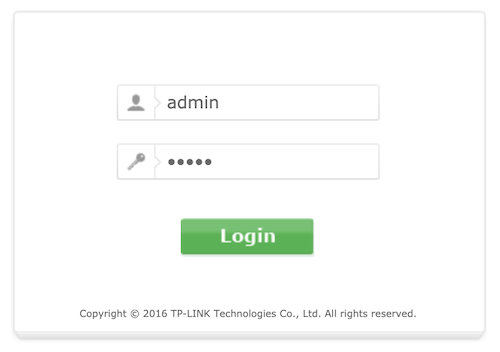
- You’ll see a small login box appear.
- Enter your username and password — you will usually find them printed on your router.
- Once logged in, you will see your admin panel with all your router settings.
Tip: If the page doesn’t open, double-check the number. Make sure you typed 192.168.0.1, not 192.168.0.1 (that’s a letter O, not zero — very common mistake).
🧾 Default Username and Passwords
Here’s a quick list of common default login details used by router brands:
| Router Brand | Default IP | Username | Password |
|---|---|---|---|
| D-Link | 192.168.0.1 | admin | admin |
| TP-Link | 192.168.0.1 | admin | admin |
| Netgear | 192.168.0.1 | admin | password |
If you changed your password before and forgot it — don’t stress. You can reset your router and it will go back to these defaults (I’ll show you how below).
✏️ Changing Your WiFi Name and Password
This is usually the first thing people want to do once they log in — and it’s super easy.
- Log in to 192.168.o.1 using your browser.
- Go to Wireless Settings or Network Settings (the name may differ a bit depending on your brand).
- In the SSID field, type the name you want for your WiFi.
- Then find the Password box and type your new one.
- Hit Save or Apply.
- Wait a few seconds while your router restarts.
Once it’s done, reconnect using your new WiFi password.
Tip: Make your password strong — at least eight characters, with numbers and symbols. Avoid using your birthday or phone number.
⚠️ If 192.168.0.1 Doesn’t Open — Try This
Sometimes the page just won’t load, and it feels frustrating.
Here’s what to check before you give up:
- Make sure you’re connected to your router (not your neighbor’s WiFi).
- Double-check the address — it’s easy to mistype.
- Clear your browser cache and try again.
- Restart your router — unplug it, wait 10 seconds, plug it back in.
- Try a different browser or device.
Still nothing? It’s possible your router uses a different IP.
You can find it by typing ipconfig in Command Prompt (Windows) or checking “Network Details” on your phone.
Remember: You don’t need an internet connection to open 192.168.0.1 — you just need to be connected to the router.
🔄 How to Reset Your Router
If you have forgotten your password or your settings are a mess, resetting your router fixes almost everything.
Here’s how:
- Look for a small reset button at the back of your router.
- Use a paperclip or pin to press and hold it for about 10–15 seconds.
- When the lights start flashing, release the button.
- Wait until your router restarts — that’s it, it’s now back to factory settings.
Now, you can log in again using the default username and password.
🔒 Smart Security Tips for Your Router
Keeping your WiFi safe isn’t complicated. Just a few small habits can protect your whole network:
- Change your admin password every few months.
- Keep your router’s firmware updated.
- Don’t share your WiFi password with people you don’t trust.
- Turn off “Remote Access” unless you really need it.
- Log out of your router’s panel after making changes.
These small actions go a long way in keeping your connection secure and smooth.
💡 Common Questions
Q: What is 192.168.0.1 for?
It’s your router’s login address — you can use it to manage all your WiFi settings.
Q: Why can’t I open 192.168.0.1?
Check if your device is connected to your router. Also, make sure you’re typing numbers only — not “www” or “https.”
Q: Can I use my phone for this?
Yes! Connect your phone to WiFi and open 192.168.0.1 in Chrome or Safari. Works the same as on a computer.
Q: What happens after a reset?
Your router goes back to default settings — username, password, and network name all return to factory setup.
🧠 Final Thoughts
Managing your WiFi router isn’t as technical as it sounds. Once you know how to use 192.168.0.1, you can easily change your password, improve security, or fix small connection issues without calling anyone for help.
Whether it’s a D-Link, TP-Link, or Netgear, they all work the same way. So next time your WiFi acts up, you’ll know exactly what to do — no stress, no confusion.